
📝 Recent Publications [more…]
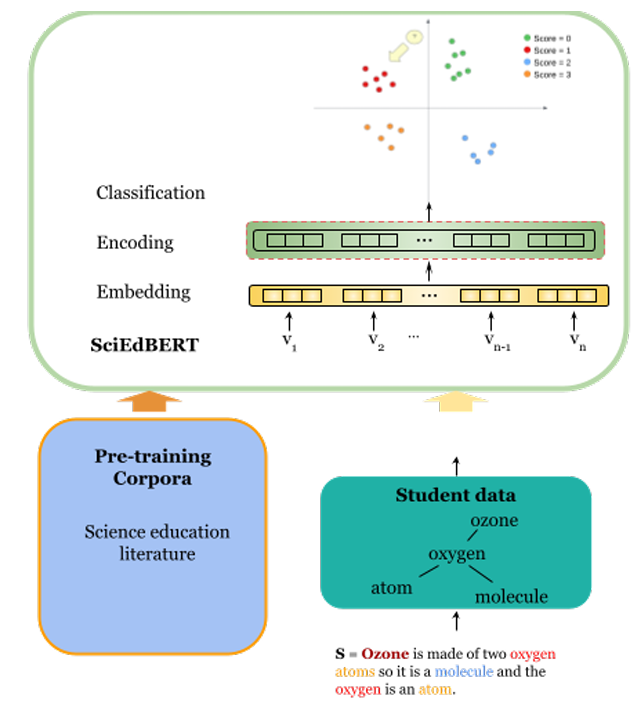
Context matters: A strategy to pre-train language model for science education
Z. Liu, X. He, L. Liu, T. Liu, and X. Zhai
This study proposes a domain-specific pre-training strategy that significantly improves the automatic scoring of student science responses by continually training BERT models on specialized educational corpora (such as student answers and journal articles) to better capture the unique linguistic patterns of student scientific argumentation.

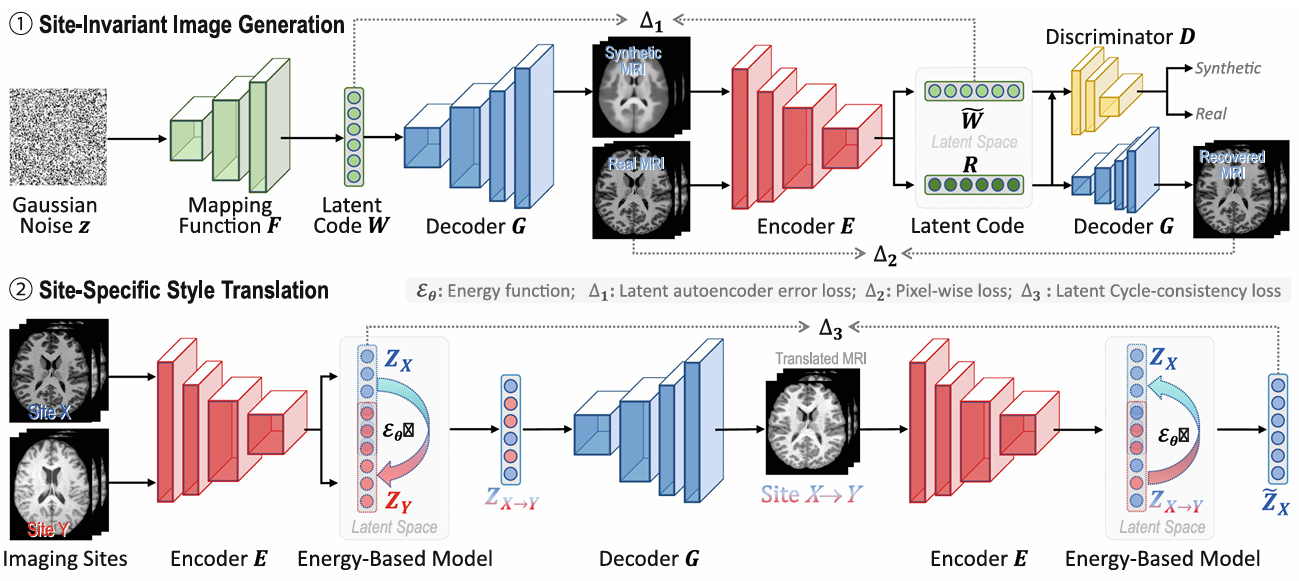
Tailoring large language models to radiology: A preliminary approach to llm adaptation for a highly specialized domain
Z. Liu, A. Zhong, Y. Li, L. Yang, C. Ju, Z. Wu, C. Ma, P. Shu, C. Chen, S. Kim, H. Dai, L. Zhao, D. Zhu, J. Liu, W. Liu, D. Shen, Q. Li, T. Liu, and X. Li
This preliminary study demonstrates the effectiveness of instruction tuning on radiological data to create a privacy-compliant, domain-specific large language model that outperforms general-purpose models (such as StableLM and LLaMA) in specialized tasks like radiological diagnosis and report generation.
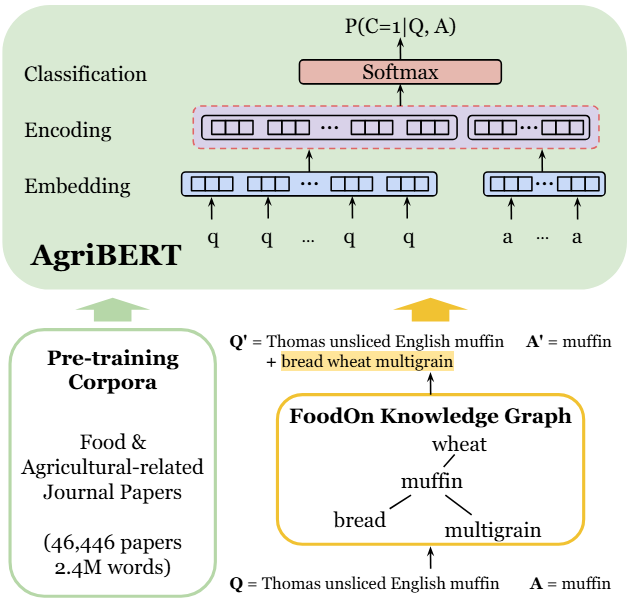
AgriBERT: Knowledge-Infused Agricultural Language Models for Matching Food and Nutrition
S. Rezayi *, Z. Liu *, Z. Wu, C. Dhakal, B. Ge, C. Zhen, T. Liu, and S. Li
(* equal contribution)
This research presents AgriBERT, a specialized language model pre-trained on agricultural text and enhanced with knowledge infusion from food ontologies, designed to automate and significantly improve the accuracy of mapping unstructured food descriptions to standard nutritional databases.
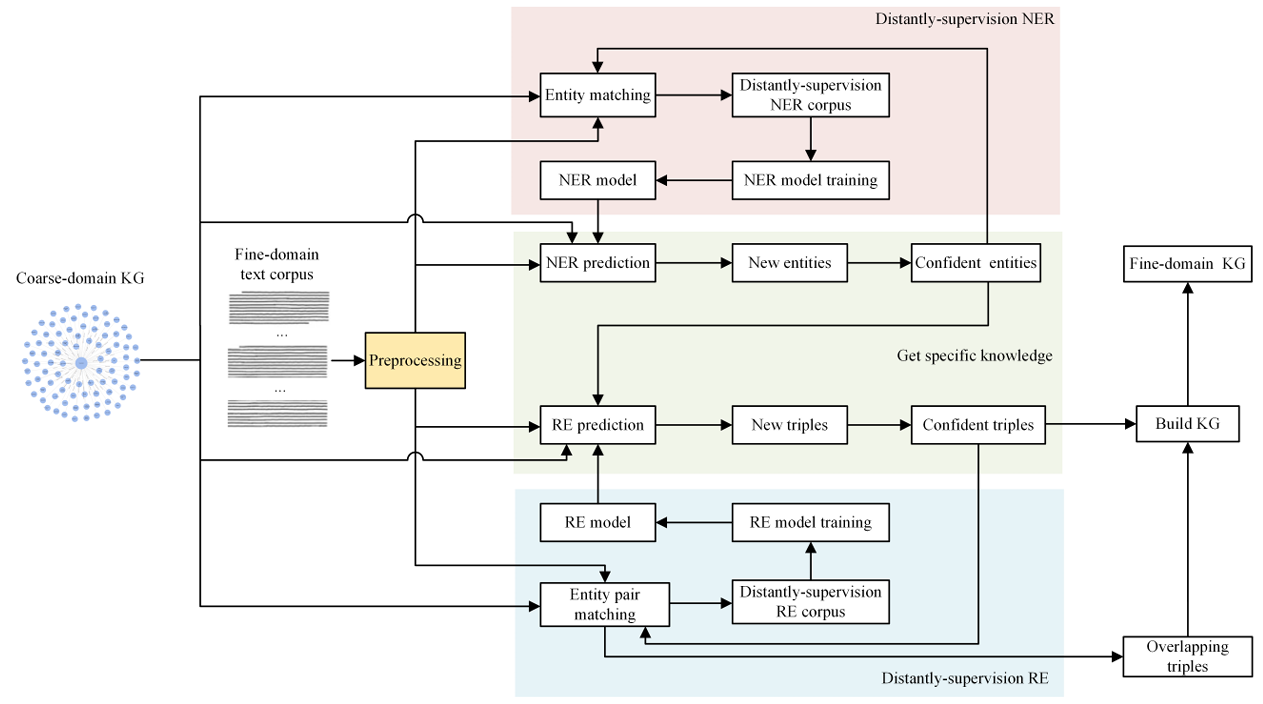
Coarse-to-fine knowledge graph domain adaptation based on distantly-supervised iterative training
W. Liao*, Z. Liu *, Y. Zhang, X. Huang, F. Qi, S. Ding, H. Ren, Z. Wu, H. Dai, S. Li, L. Wu, N. Liu, Q. Li, T. Liu, X. Li, and H. Cai
(* equal contribution)
This paper proposes a coarse-to-fine domain adaptation framework that leverages distant supervision and an iterative training strategy to efficiently construct specialized knowledge graphs (such as for oncology) from general domain data without requiring manual annotation.

Let’s gamble: How a poor visualization can elicit risky behavior
M. Bancilhon*, Z. Liu *, and A. Ottley
(* equal contribution)
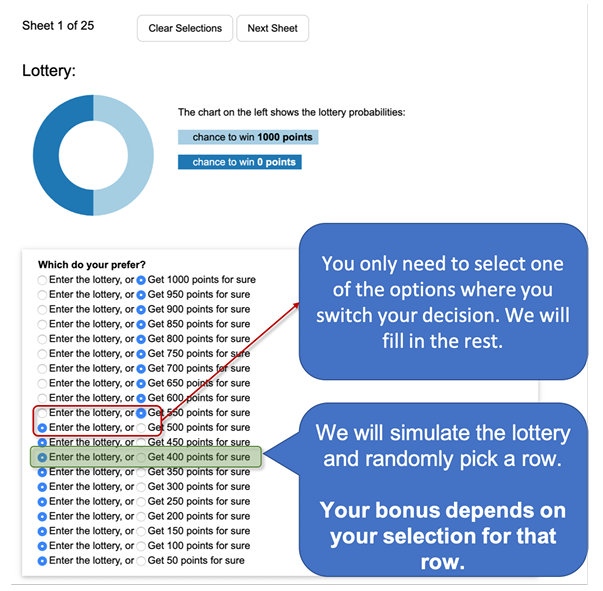
This study utilizes a large-scale gambling game to demonstrate that while icon arrays encourage economically rational decision-making, area-proportioned designs like circles and triangles significantly bias users towards risky behavior (gambling) even when it is not the optimal choice.

Summary of ChatGPT-related research and perspective towards the future of large language models
Y. Liu, T. Han, S. Ma, J. Zhang, Y. Yang, J. Tian, H. He, A. Li, M. He, Z. Liu, Z. Wu, L. Zhao, D. Zhu, X. Li, N. Qiang, D. Shen, T. Liu, and B. Ge
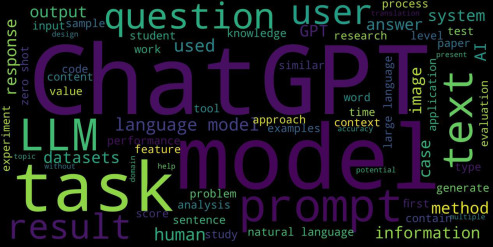
This paper presents a comprehensive survey of 194 ChatGPT-related studies, providing a detailed analysis of the model’s technical foundations (such as RLHF), its diverse applications across domains like medicine and education, and its ethical implications, while outlining future directions for large language model development.


AugGPT: Leveraging ChatGPT for text data augmentation
H. Dai*, Z. Liu *, W. Liao, X. Huang, Y. Cao, Z. Wu, L. Zhao, S. Xu, W. Liu, N. Liu, and T. Liu
(* equal contribution)
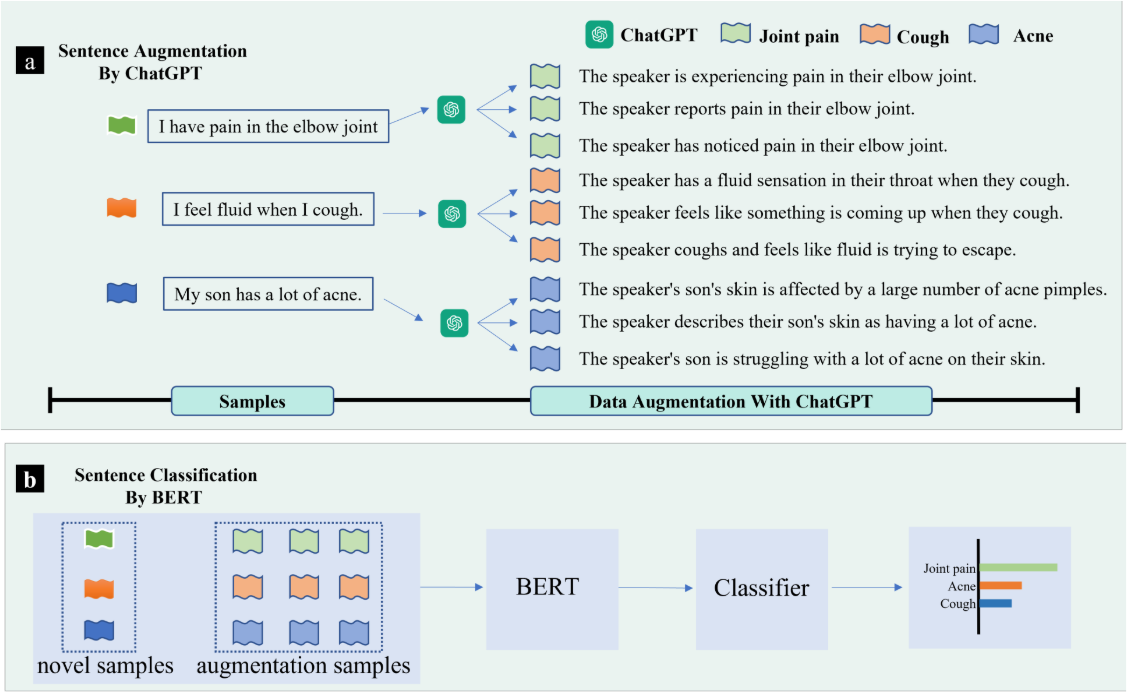
This paper introduces AugGPT, a data augmentation framework that utilizes ChatGPT to rephrase original training data into semantically consistent but stylistically diverse samples, significantly boosting model performance and robustness in few-shot text classification tasks.

Radiology-GPT: a large language model for radiology
Z. Liu, Y. Li, P. Shu, A. Zhong, H. Jiang, Y. Pan, L. Yang, C. Ju, Z. Wu, C. Ma, C. Chen, S. Kim, H. Dai, L. Zhao, L. Sun, D. Zhu, J. Liu, W. Liu, D. Shen, Q. Li, T. Liu, and X. Li
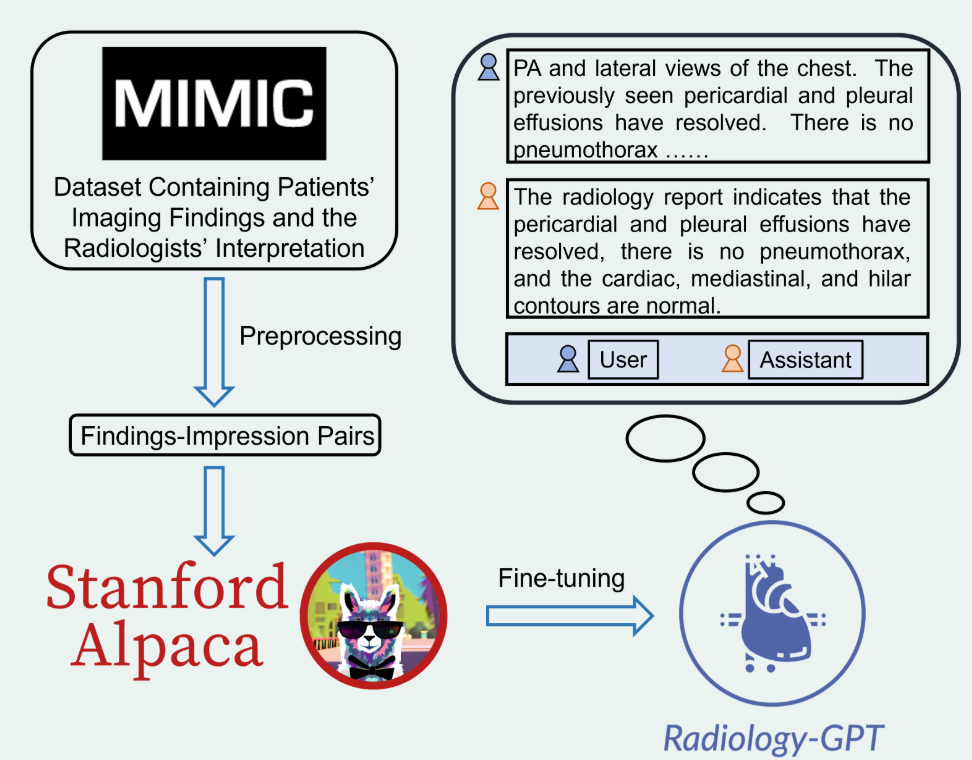
This paper presents Radiology-GPT, a domain-specific large language model developed via instruction tuning on radiology reports, which achieves superior performance in diagnostic reasoning and report generation compared to general-purpose models while ensuring data privacy for clinical deployment.
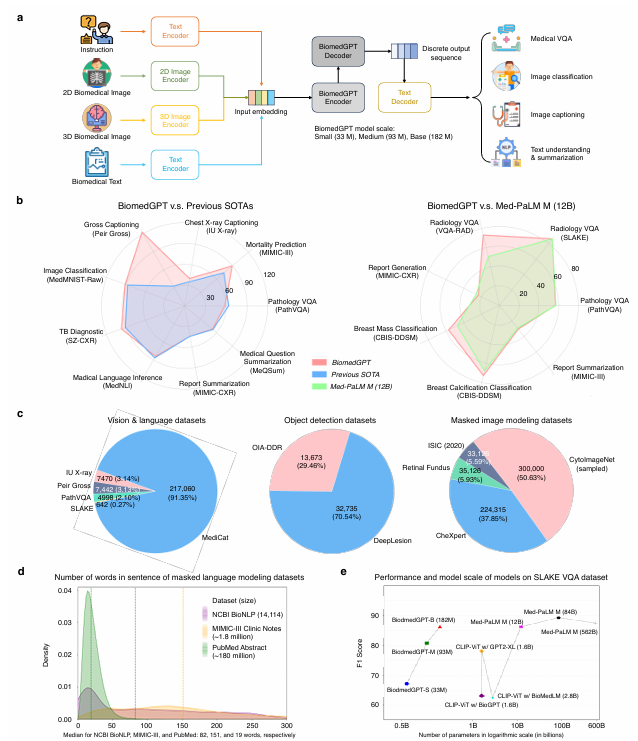
A generalist vision–language foundation model for diverse biomedical tasks
C. Yan, J. Bi, Y. Luo, Y. Ma, Z. Liu, Z. Wu, L. Zhao, S. Xu, L. Wei, S. Huang, H. Wang, Y. Pan, B. Liao, Y. Huang, J. Xia, M. He, Z. Wang, Z. Lin, C. Slaughter, H. Zhu, Y. Zhang, Q. Qu, X. Zhang, G. Li, S. Ju, J. Huang, S. S. Zhang, D. Zhou, R. J. Fu, L. Sun, P. S. Yu, W. Liu, J. Gao, X. Li, D. Zhu, T. Liu, and D. Shen
This study introduces BiomedGPT, a unified and open-source foundation model pre-trained on diverse multi-modal biomedical data (including 2D/3D images and text), which demonstrates that a single generalist model can effectively transfer knowledge across varying domains to perform a wide range of tasks such as image classification, captioning, and visual question answering.
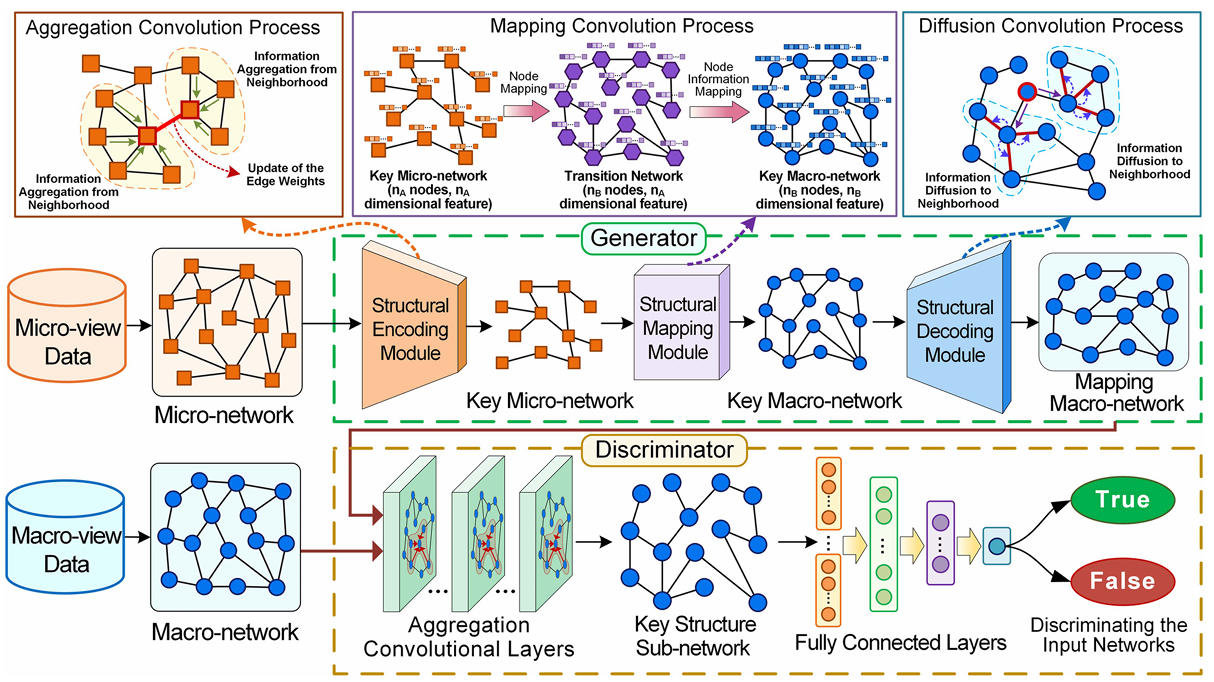
Structure mapping generative adversarial network for multi-view information mapping pattern mining \ X. A. Bi, Y. Huang, Z. Yang, K. Chen, Z. Xing, L. Xu, X. Li, Z. Liu, and T. Liu
This paper proposes a Structure Mapping Generative Adversarial Network (SM-GAN), a framework that models the hierarchical interactions between different data views as a structural mapping process from micro- to macro-networks, effectively capturing common patterns to improve performance in multi-view learning tasks such as classification and evolution prediction.