
Short Bio
Zhengliang Liu received his Ph.D. in Computer Science from the University of Georgia in June 2026 under the supervision of Prof. Tianming Liu. His research lies at the intersection of large language models, multimodal learning, medical imaging, and AI for healthcare. He received his M.S. in Computer Science from Washington University in St. Louis in 2021 and his B.A. in Computer Science from the University of Wisconsin–Madison in 2018. He has published over 90 papers at the top AI and medical imaging jounrals and conferences.
Research Interests
My research interests lie at the intersection of Artificial Intelligence, Large Language Models (LLMs), and Healthcare. I am particularly passionate about Multi-modal Learning, which seeks to synergize diverse data modalities—such as clinical text, medical imaging, and structured electronic health records—to construct holistic and context-aware AI systems. In parallel, I aim to leverage cutting-edge Generative AI techniques to tackle real-world biomedical and clinical challenges, such as model reliability, reasoning under uncertainty, and clinical workflow automation. Another key area of interest is AI for Social Good, particularly in utilizing AI agents to democratize access to high-quality education and healthcare resources. I focus on developing robust, human-centered AI solutions that not only advance technical frontiers but also drive tangible positive impacts on patient outcomes and societal well-being.
🎓 Education
- University of Georgia: Ph.D. in Computer Science, Jun. 2026
- Washington University in St. Louis: Master of Science in Computer Science, 2021
- University of Wisconsin, Madison: Bachelor of Arts in Computer Science, 2018
💼 Professional Experience
- Dec. 2024 – Oct. 2025: Casium(AI2 Incubator Spin-out), Remote / Seattle, WA, Founding Applied AI Scientist (Full Time).
- Sep. 2023 – Oct. 2024: Hippocratic AI, Palo Alto, CA, Research Scientist (Full Time).
- Sep. 2022 – Sep. 2024: Mayo Clinic, Scottsdale, AZ, Research Affiliate.
- May. 2023 – Sep. 2023: Harvard Medical School & MGH, Boston, MA, Research Associate.
- May. 2022 – Sep. 2022: Mayo Clinic, Scottsdale, AZ, Research Intern.
- May. 2021 – Sep. 2021: Mayo Clinic, Scottsdale, AZ, Research Intern.
🥇 Honors and Awards
- 2016-2018 Dean’s List, University of Wisconsin, Madison
- 2018 Graduated with Distinction, University of Wisconsin, Madison
- 2023 Student Travel Grant, MICCAI
🔥 News [more…]
- 2026.07: 🎉 One paper on Large language models for manufacturing is accepted by Journal of Manufacturing.
- 2026.06: 🎉 One paper on Causal machine learning is accepted by npj Digital Medicine.
- 2026.05: 🎉 I received my Ph.D. in Computer Science from the University of Georgia.
- 2026.05: 🎉 One paper about Alzheimer’s disease risk prediction is accepted by Medical Image Analysis.
- 2026.05: 🎉 One paper about Large language models in Alzheimer’s disease is accepted by BMC Medical Informatics and Decision Making.
- 2026.04: 🎉 One paper on Vibe Medicine is accepted by Meta-Radiology.
- 2026.04: 🎉 One paper on Physics enhances generalizability is accepted by Medical physics.
- 2026.03: 🎉 One paper about A NISQ-Aware Quantum Adapter for Medical Vision–Language Models is accepted by ISBI.
- 2026.02: 🎉 One paper on Quantum Artificial Intelligence is accepted by Meta-Radiology.
- 2026.01: 🎉 Invited to serve as a Program Committee Member for the International Conference on Artificial Intelligence in Education (AIED).
- 2026.01: 🎉 One paper on Large language models for bioinformatics will appear in Quantitative Biology.
- 2026.01: 🎉 One paper on NISQ-Aware Quantum Adapter for Medical Vision-Language Models is accepted by ISBI.
- 2025.10: 🎉 One paper on PharmacyGPT is published in BMC Medical Informatics and Decision Making.
- 2025.08: 🎉 One paper on AD-AutoGPT is accepted by PLOS Global Public Health.
- 2025.07: 🎉 One paper on “AugGPT: Leveraging ChatGPT for Text Data Augmentation” is accepted by IEEE Transactions on Big Data.
- 2025.05: 🎉 Our paper “Understanding LLMs: A Comprehensive Overview from Training to Inference” has been published in Neurocomputing.
- 2025.03: 🎉 Our paper “Robust Optimization for Spot-Scanning Proton Therapy” is accepted by International Journal of Radiation Oncology, Biology, Physics (IJROBP).
- 2025.01: 🎉 Our work on Fine-tuning open-source large language models on radiation oncology tasks is accepted by Medical Physics.
📝 Recent Publications [more…]
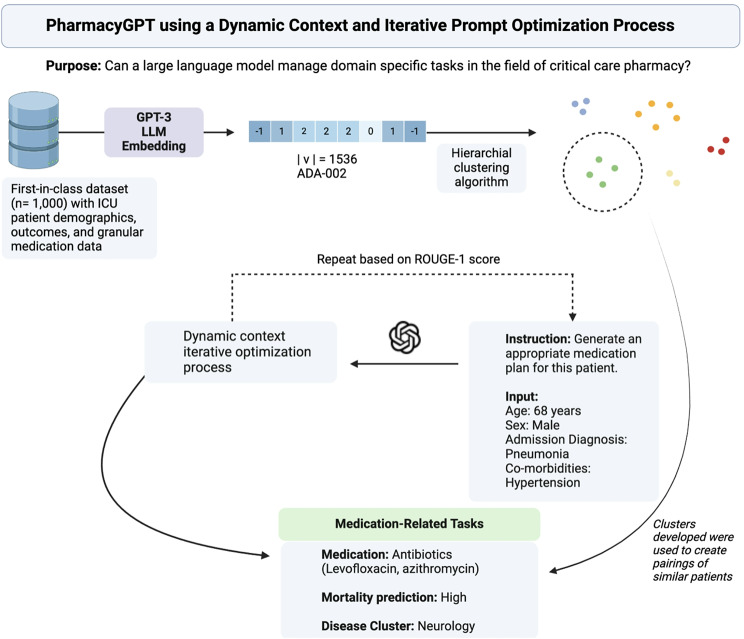
PharmacyGPT: Exploration of Artificial Intelligence for Medication Management in the Intensive Care Unit
Z. Liu, S. Xu, Z. Wu, B. Murray, E. F. Barreto, S. Li, W. Liu, X. Li, T. Liu, and A. Sikora
This paper introduces PharmacyGPT, an iterative prompt-optimization framework that equips LLMs with dynamic, medication-specific context from 1,000 ICU patients to perform clinical pharmacy tasks such as patient clustering by medication regimen, medication regimen generation, and outcome prediction.

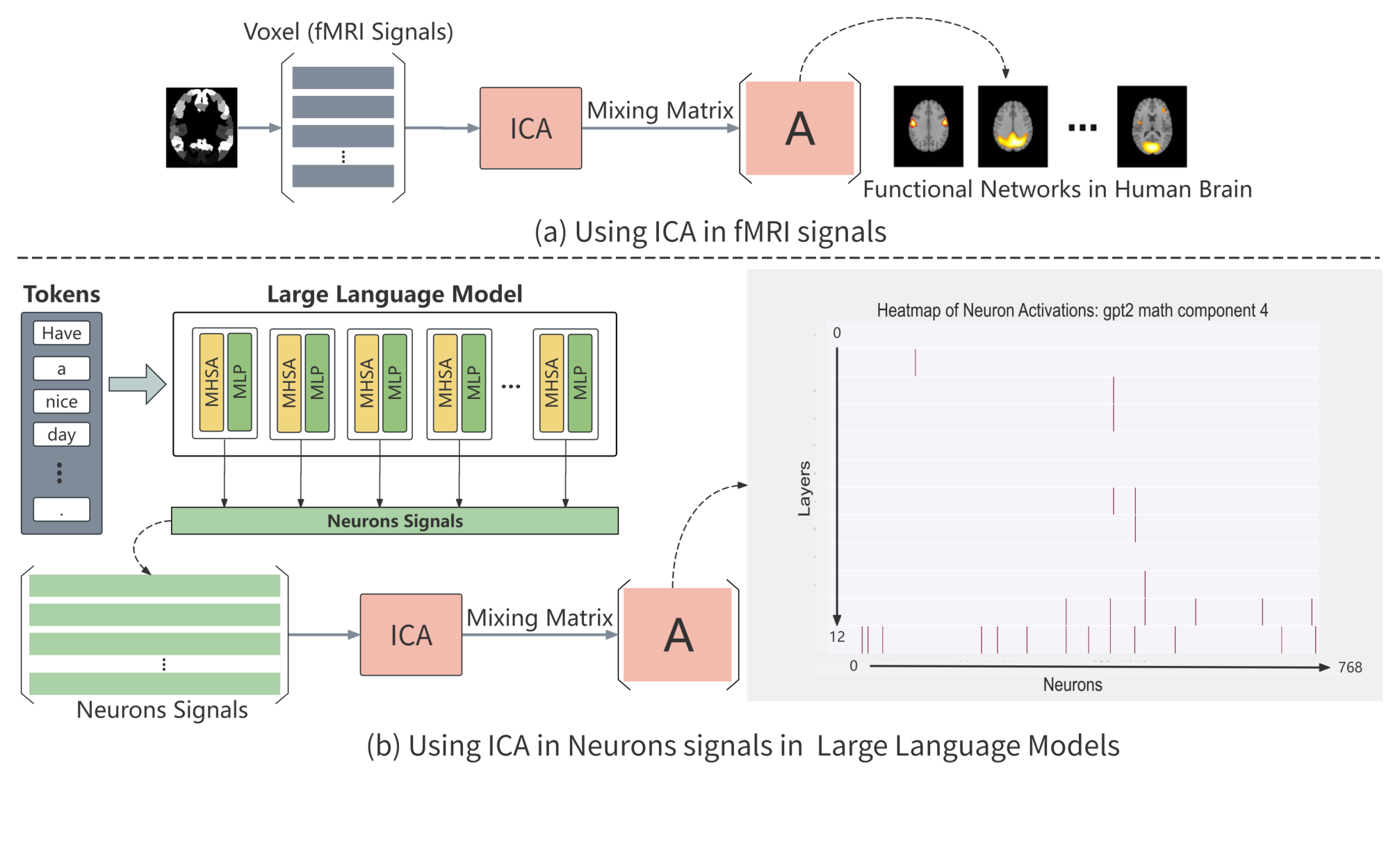
Brain-Inspired Exploration of Functional Networks and Key Neurons in Large Language Models
Y. Liu*, Z. Liu *, Z. Wu, J. Ning, H. Sun, S. Xia, Y. Yang, X. Gao, N. Qiang, B. Ge, T. Liu, J. Han, and X. Hu
(* equal contribution)
This paper borrows functional brain network analysis from neuroscience, applying independent component analysis to LLM neuron activations to uncover functional networks inside LLMs, and shows that inhibiting or amplifying these key neurons markedly changes model behavior.

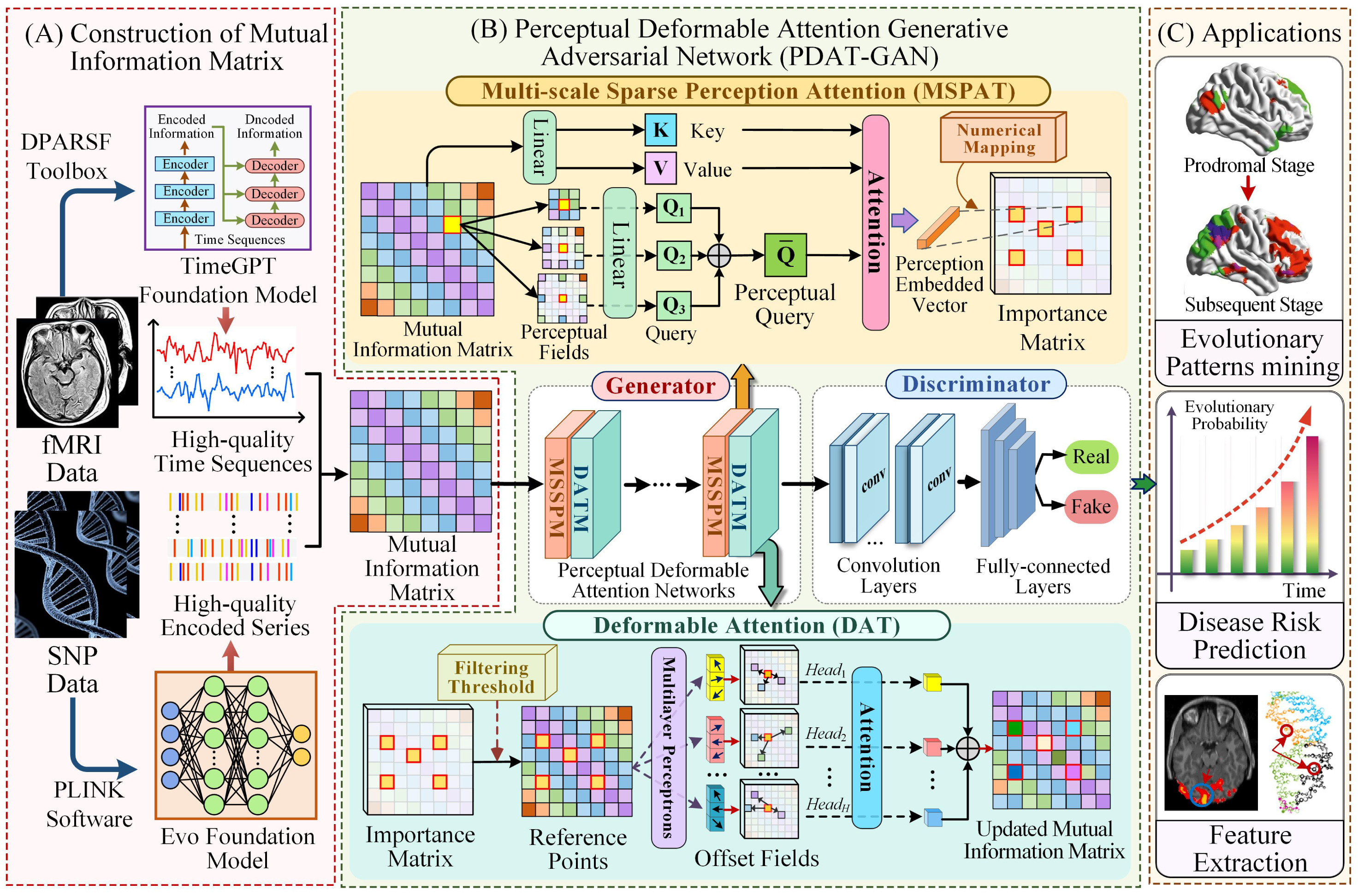
Alzheimer’s Disease Risk Prediction via Perceptual Deformable Attention Generative Adversarial Network with Large Foundation Models
Z. Xing*, Z. Liu *, D.-F. Zhang, K. Xie, J. Fang, X.-A. Bi, and T. Liu
(* equal contribution)
This paper proposes PDAT-GAN, which uses large foundation models to construct multi-omics features and a perceptual deformable attention mechanism to simulate Alzheimer’s disease progression, enabling robust risk prediction and pathogeny extraction.

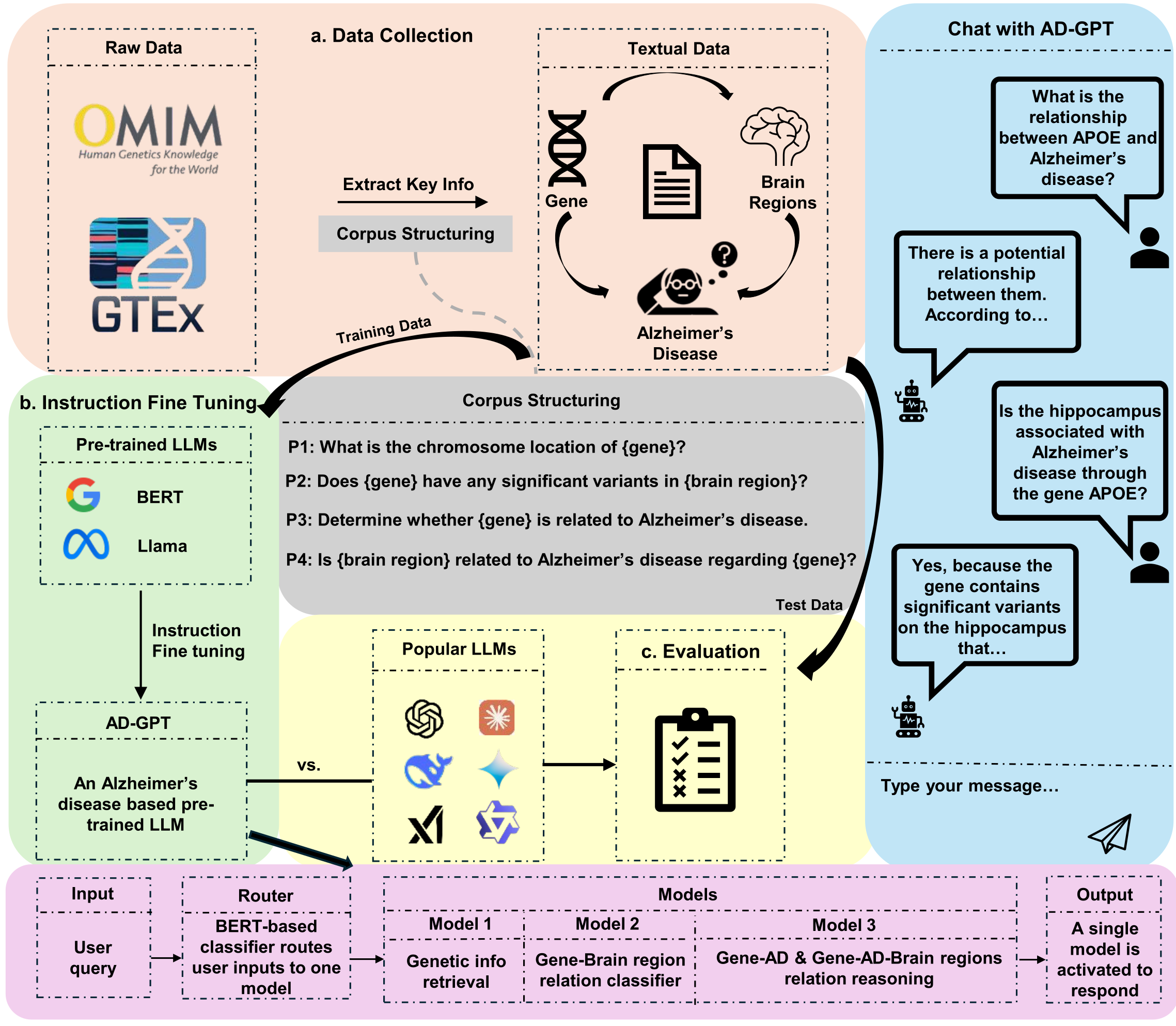
AD-GPT: Large Language Models in Alzheimer’s Disease
Z. Liu, L. Tang, Z. Sun, Z. Liu, Y. Lyu, W. Ruan, Y. Xu, L. Shan, J. Shin, X. Chen, D. Zhu, T. Liu, R. Liu, and C. Huang
This paper presents AD-GPT, a domain-specific generative model that integrates genetic and neurobiological data sources to improve retrieval and analysis of Alzheimer’s disease-related genes, variants, and brain-region associations.
Toward Vibe Medicine: A Self-Evolving Multi-Agent Framework for Clinical Decision Support
Q. Zhang, Y. Ren, S. Qin, X. Zhang, L. Zhang, J. Huang, Z. Liu, C. Liu, H. Feng, J. Chen, Y. Ding, W. You, H. Jiang, Y. Pan, Y. Zhou, J. Chen, L. Chen, W. Liu, T. Liu, Z. Zhao, and L. Zhang
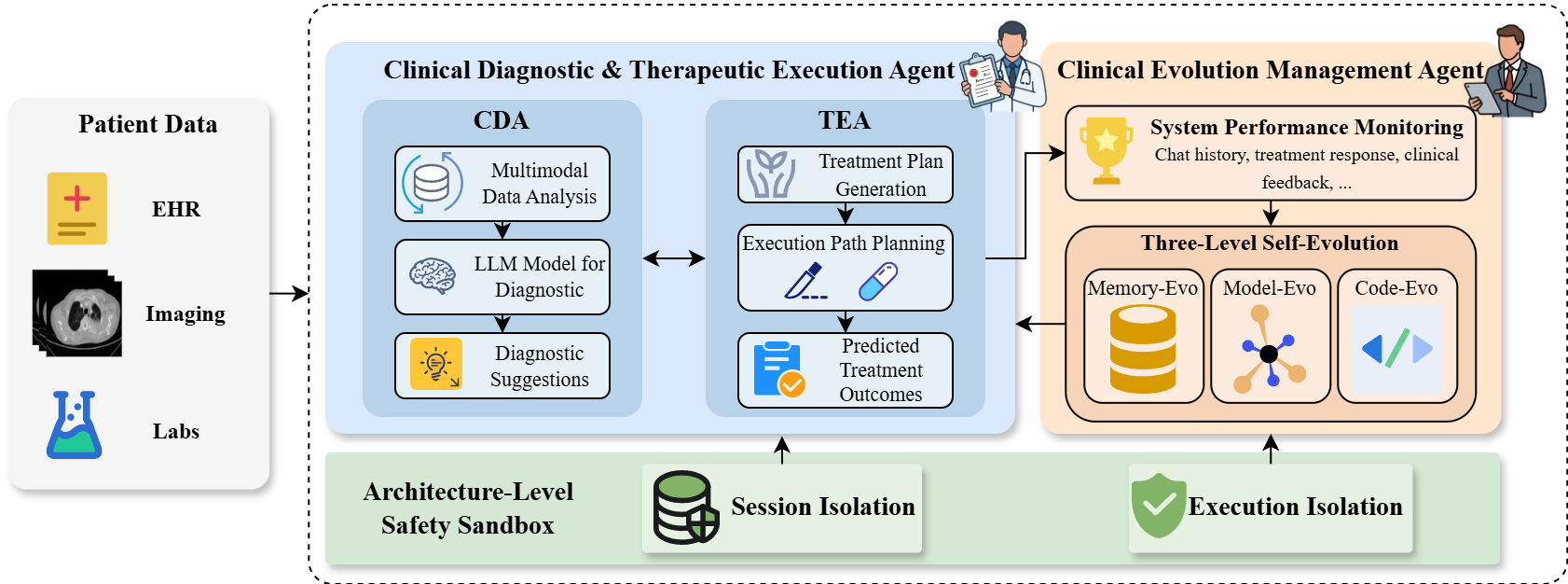
This paper introduces VIBEMed, a multi-agent clinical decision support framework with diagnostic, therapeutic, and evolution-manager agents, a three-level self-evolution mechanism, and an architecture-level safety sandbox for reliable end-to-end decisions.
Large Language Models for Manufacturing
Y. Li, H. Zhao, H. Jiang, Y. Pan, Z. Liu, Z. Wu, P. Shu, J. Tian, T. Yang, S. Xu, Y. Lyu, P. Blenk, J. Pence, J. Rupram, E. Banu, N. Liu, L. Wang, W. Song, X. Zhai, K. Song, D. Zhu, B. Li, X. Wang, and T. Liu
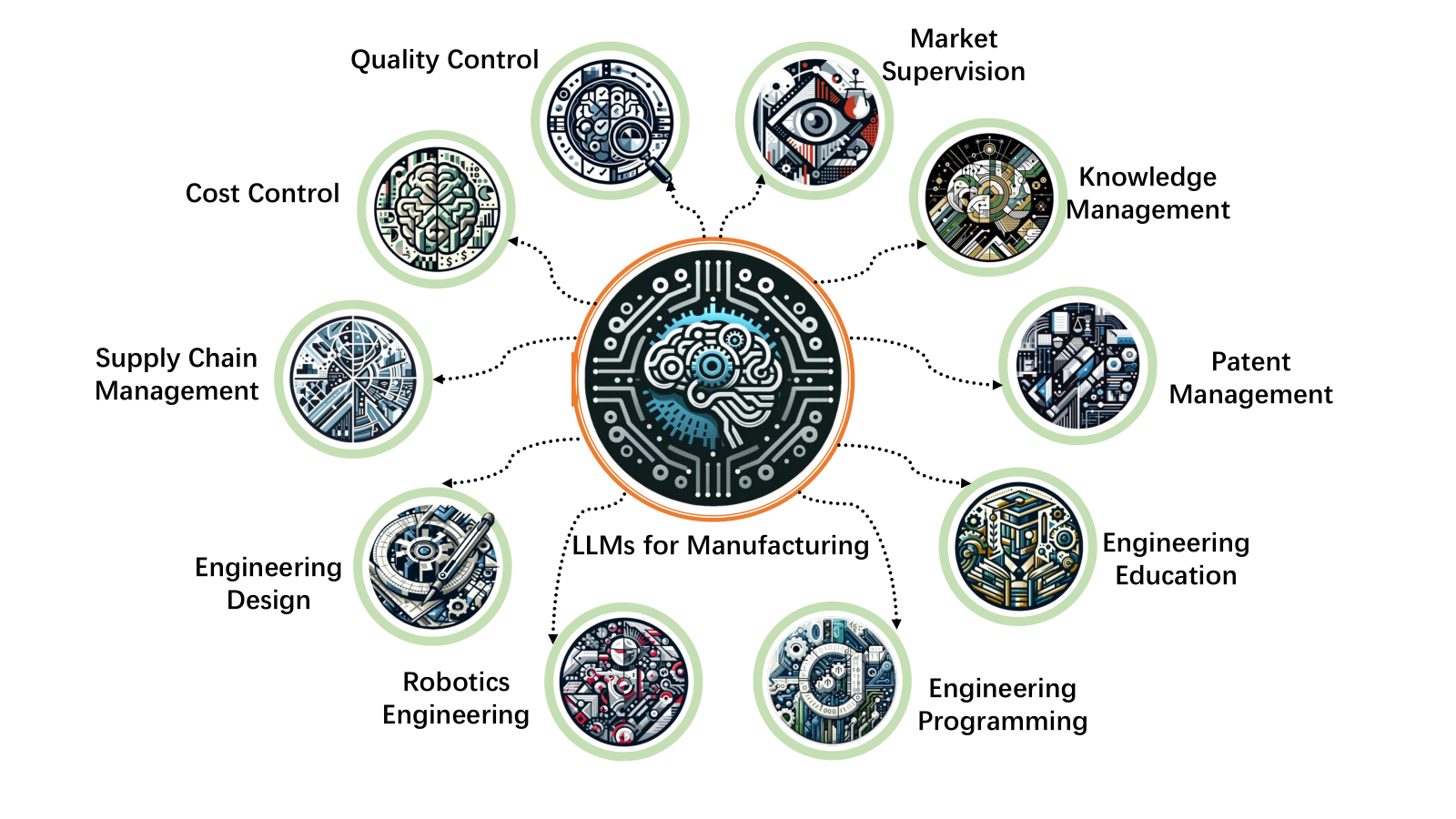
This paper surveys how LLMs can automate and enhance manufacturing, from product design and development to quality control, supply chain optimization, and talent management.

Large Language Models for Bioinformatics
W. Ruan, Y. Lyu, J. Zhang, J. Cai, P. Shu, …, Z. Liu, …, D. Zhu, and T. Liu
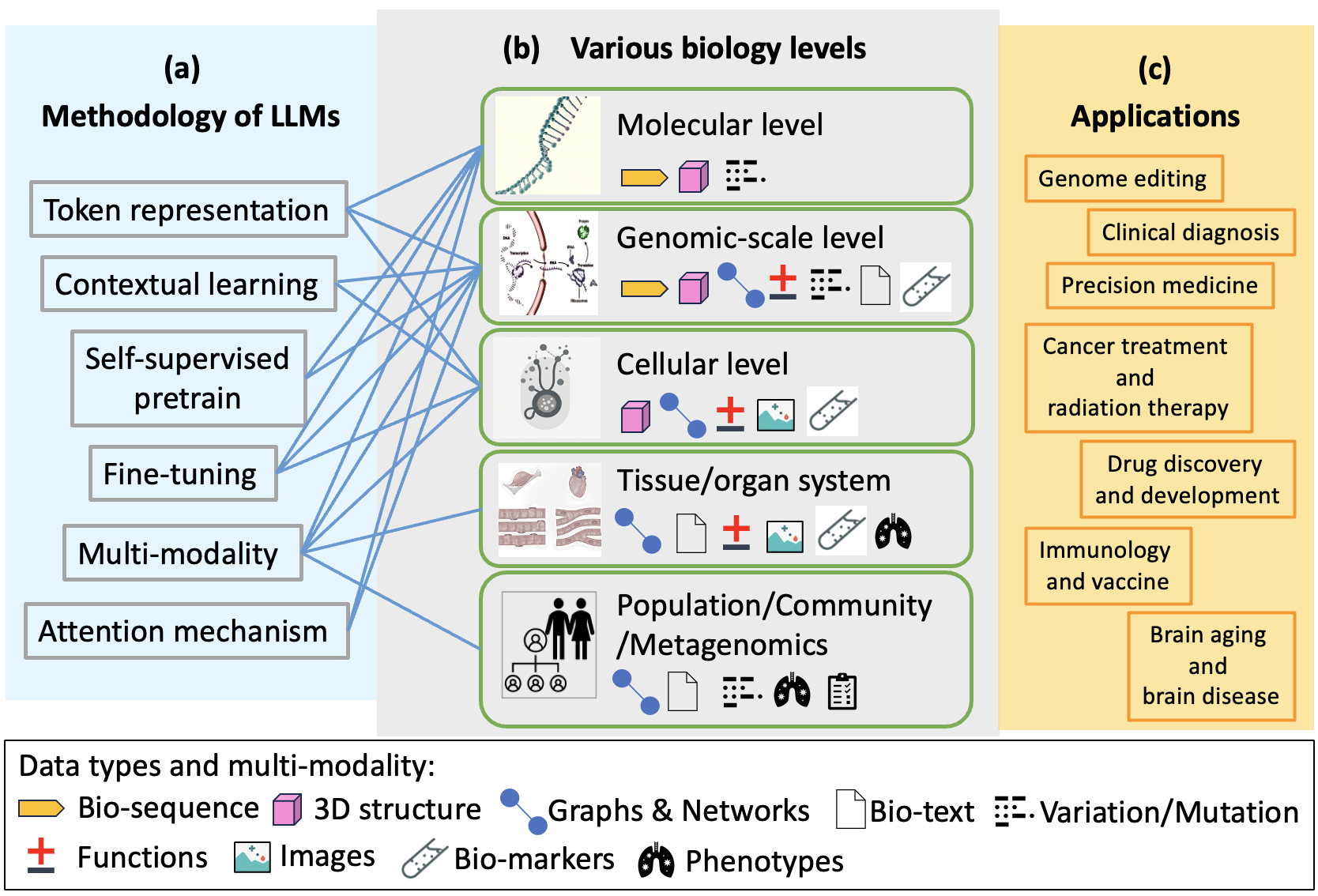
This survey covers bioinformatics-specific language models, including their evolution, training methods, datasets, and evaluation, and their applications in disease diagnosis, drug discovery, and vaccine development.

Causal machine learning for exploring radiation dose effects on mandibular osteoradionecrosis
J. Chen, Y. Yang, O. M. Muller, L. Zeng, Z. Liu, T. Liu, R. L. Foote, D. J. Ma, S. H. Patel, Z. Liu, and W. Liu
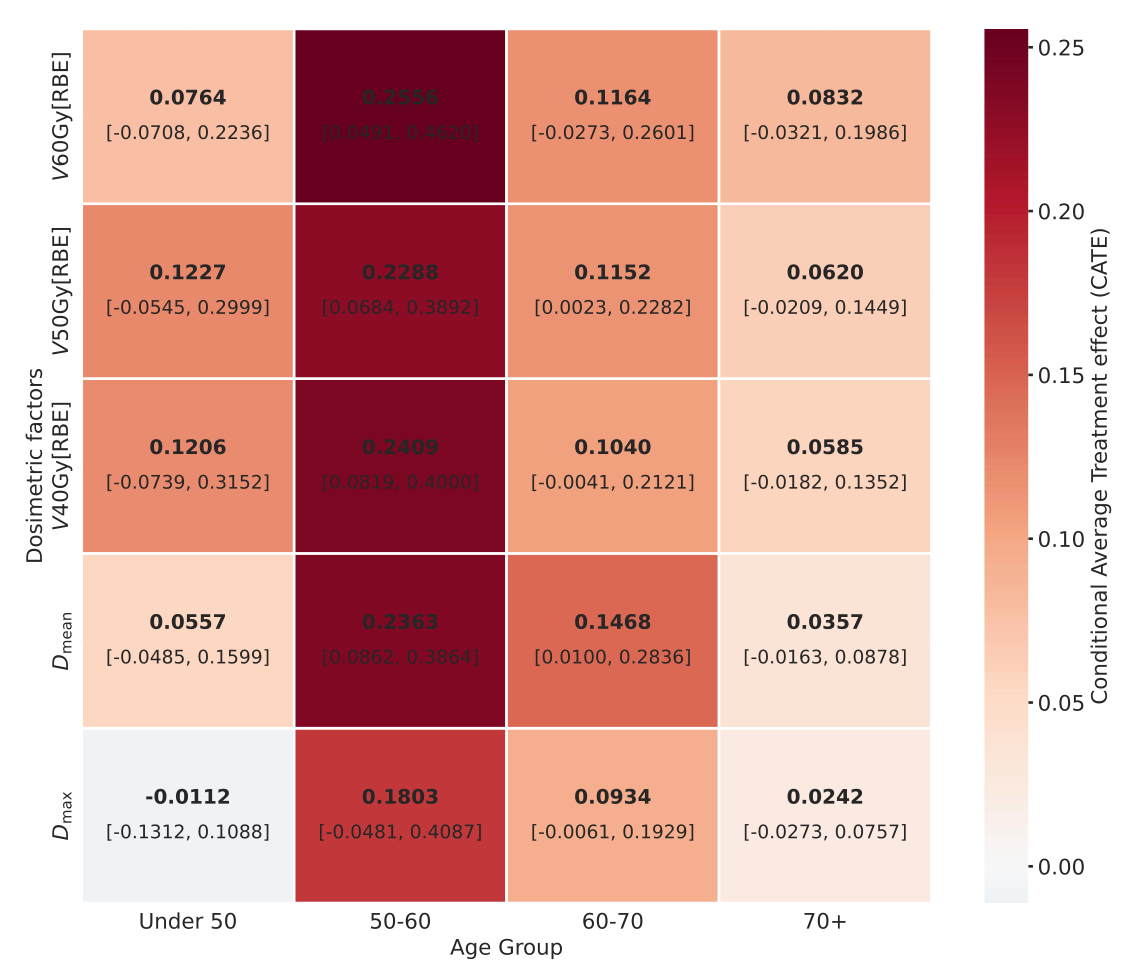
This study applies causal machine learning (generalized random forests) to 931 head and neck cancer patients to show that mandibular radiation dose parameters causally increase osteoradionecrosis risk, with the strongest dose effects in patients aged 50–60 and minimal effects in those over 70.

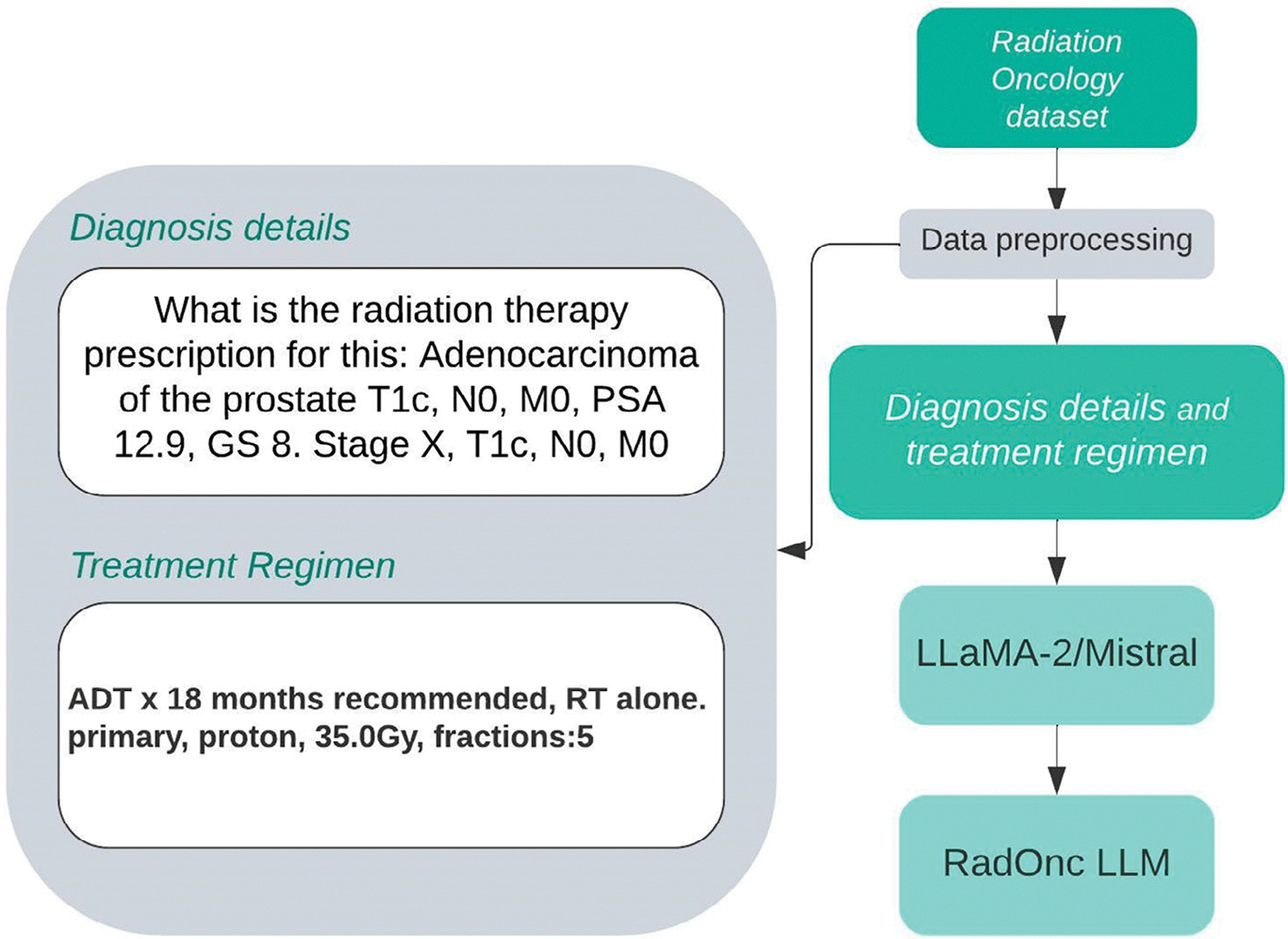
Fine-tuning open-source large language models to improve their performance on radiation oncology tasks
P. Wang*, Z. Liu *, Y. Li, J. Holmes, P. Shu, L. Zhang, X. Li, Q. Li, B. S. Laughlin, D. S. Toesca, C. E. Vargas, S. A. Vora, S. H. Patel, T. T. Sio, T. Liu, and W. Liu
(* equal contribution)
This study fine-tunes LLaMA2-7B and Mistral-7B with LoRA on thousands of annotated patient cases, significantly improving treatment regimen generation, treatment modality selection, and ICD-10 code prediction, with over 60% of generated regimens rated clinically acceptable.

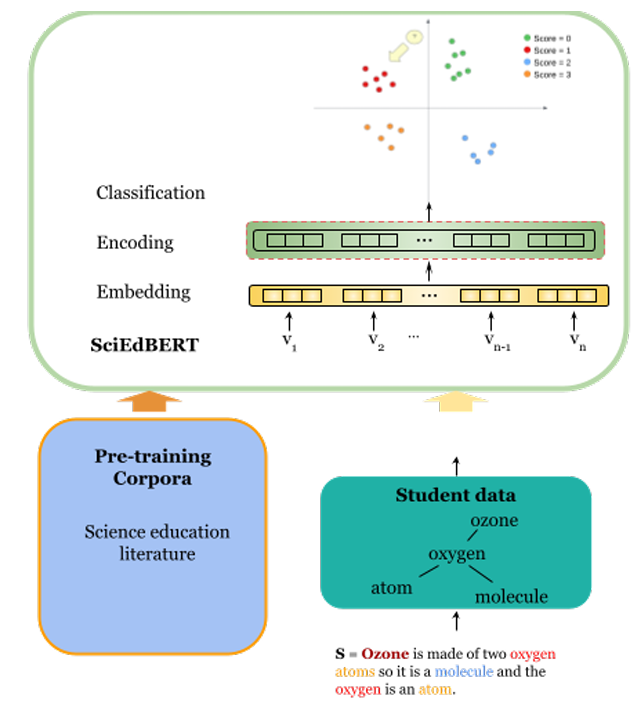
Context matters: A strategy to pre-train language model for science education
Z. Liu, X. He, L. Liu, T. Liu, and X. Zhai
This study proposes a domain-specific pre-training strategy that significantly improves the automatic scoring of student science responses by continually training BERT models on specialized educational corpora (such as student answers and journal articles) to better capture the unique linguistic patterns of student scientific argumentation.

Tailoring large language models to radiology: A preliminary approach to llm adaptation for a highly specialized domain
Z. Liu, A. Zhong, Y. Li, L. Yang, C. Ju, Z. Wu, C. Ma, P. Shu, C. Chen, S. Kim, H. Dai, L. Zhao, D. Zhu, J. Liu, W. Liu, D. Shen, Q. Li, T. Liu, and X. Li
This preliminary study demonstrates the effectiveness of instruction tuning on radiological data to create a privacy-compliant, domain-specific large language model that outperforms general-purpose models (such as StableLM and LLaMA) in specialized tasks like radiological diagnosis and report generation.

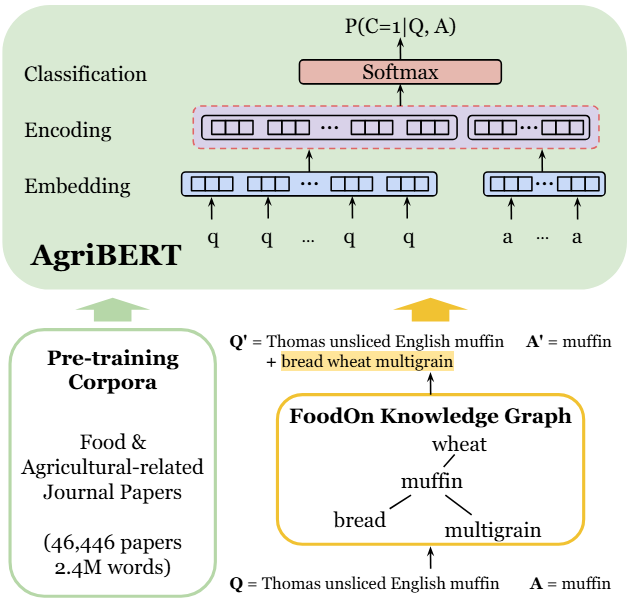
AgriBERT: Knowledge-Infused Agricultural Language Models for Matching Food and Nutrition
S. Rezayi *, Z. Liu *, Z. Wu, C. Dhakal, B. Ge, C. Zhen, T. Liu, and S. Li
(* equal contribution)
This research presents AgriBERT, a specialized language model pre-trained on agricultural text and enhanced with knowledge infusion from food ontologies, designed to automate and significantly improve the accuracy of mapping unstructured food descriptions to standard nutritional databases.

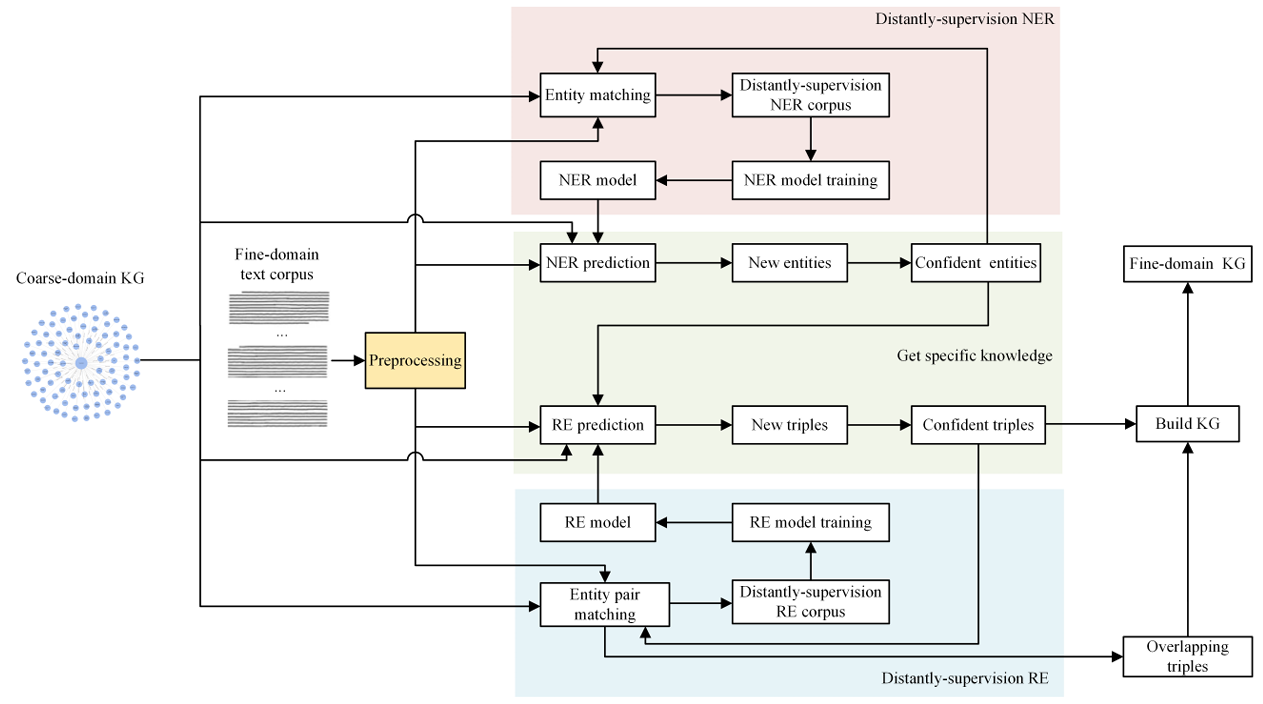
Coarse-to-fine knowledge graph domain adaptation based on distantly-supervised iterative training
W. Liao*, Z. Liu *, Y. Zhang, X. Huang, F. Qi, S. Ding, H. Ren, Z. Wu, H. Dai, S. Li, L. Wu, N. Liu, Q. Li, T. Liu, X. Li, and H. Cai
(* equal contribution)
This paper proposes a coarse-to-fine domain adaptation framework that leverages distant supervision and an iterative training strategy to efficiently construct specialized knowledge graphs (such as for oncology) from general domain data without requiring manual annotation.

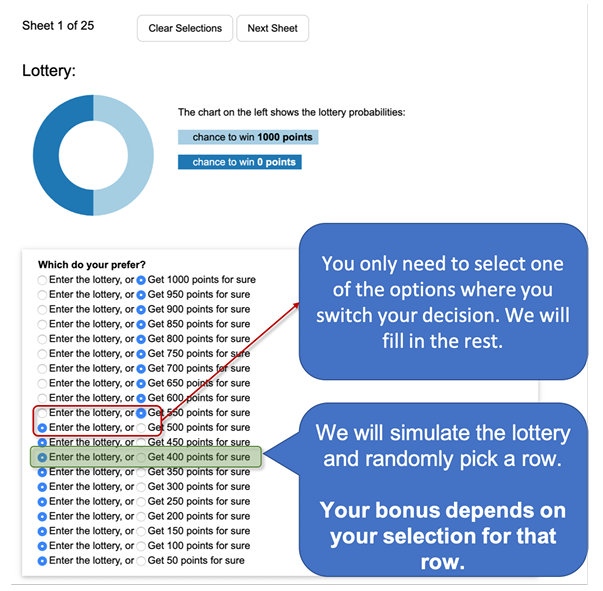
Let’s gamble: How a poor visualization can elicit risky behavior
M. Bancilhon*, Z. Liu *, and A. Ottley
(* equal contribution)
This study utilizes a large-scale gambling game to demonstrate that while icon arrays encourage economically rational decision-making, area-proportioned designs like circles and triangles significantly bias users towards risky behavior (gambling) even when it is not the optimal choice.

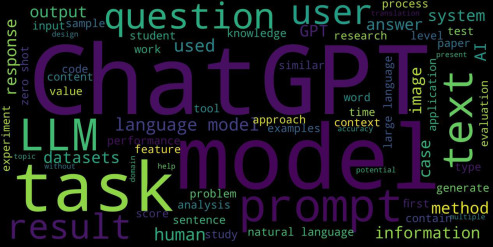
Summary of ChatGPT-related research and perspective towards the future of large language models
Y. Liu, T. Han, S. Ma, J. Zhang, Y. Yang, J. Tian, H. He, A. Li, M. He, Z. Liu, Z. Wu, L. Zhao, D. Zhu, X. Li, N. Qiang, D. Shen, T. Liu, and B. Ge
This paper presents a comprehensive survey of 194 ChatGPT-related studies, providing a detailed analysis of the model’s technical foundations (such as RLHF), its diverse applications across domains like medicine and education, and its ethical implications, while outlining future directions for large language model development.


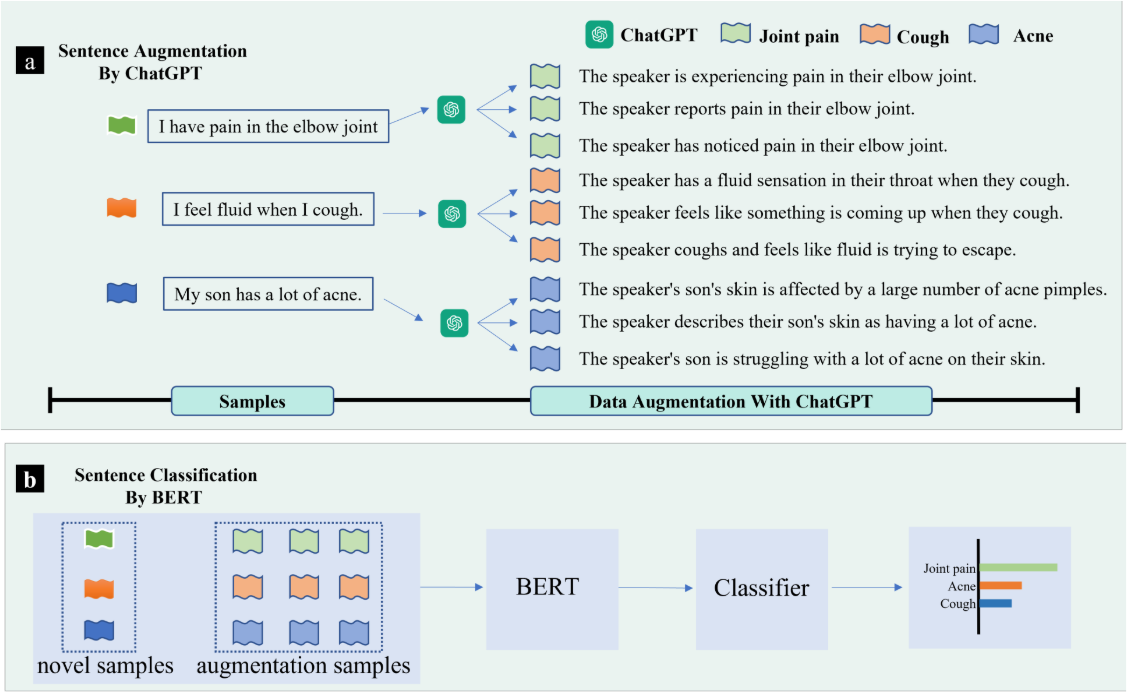
AugGPT: Leveraging ChatGPT for text data augmentation
H. Dai*, Z. Liu *, W. Liao, X. Huang, Y. Cao, Z. Wu, L. Zhao, S. Xu, W. Liu, N. Liu, and T. Liu
(* equal contribution)
This paper introduces AugGPT, a data augmentation framework that utilizes ChatGPT to rephrase original training data into semantically consistent but stylistically diverse samples, significantly boosting model performance and robustness in few-shot text classification tasks.

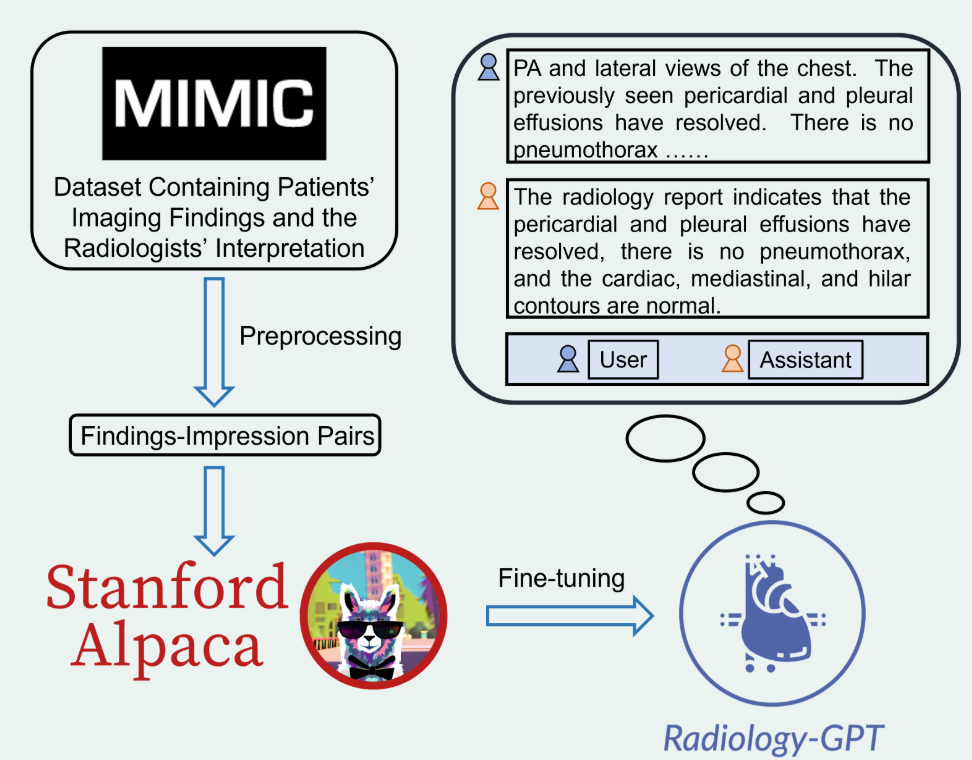
Radiology-GPT: a large language model for radiology
Z. Liu, Y. Li, P. Shu, A. Zhong, H. Jiang, Y. Pan, L. Yang, C. Ju, Z. Wu, C. Ma, C. Chen, S. Kim, H. Dai, L. Zhao, L. Sun, D. Zhu, J. Liu, W. Liu, D. Shen, Q. Li, T. Liu, and X. Li
This paper presents Radiology-GPT, a domain-specific large language model developed via instruction tuning on radiology reports, which achieves superior performance in diagnostic reasoning and report generation compared to general-purpose models while ensuring data privacy for clinical deployment.
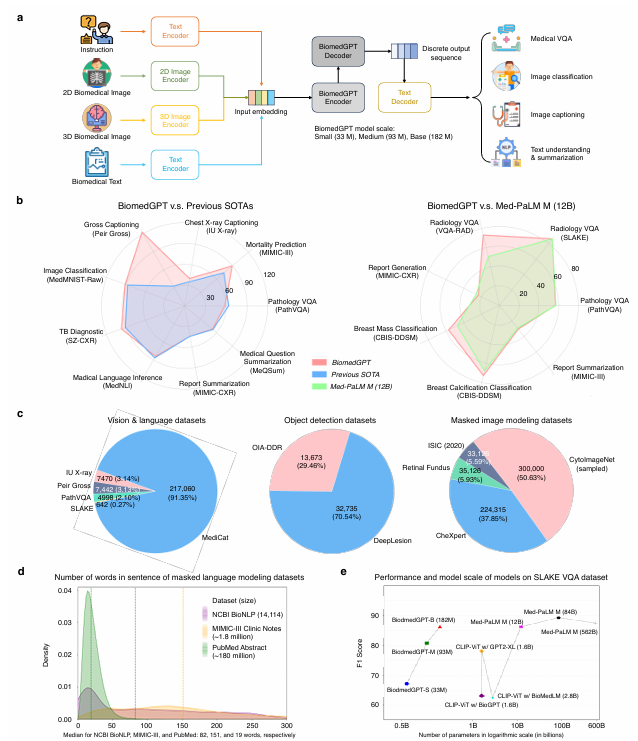
A generalist vision–language foundation model for diverse biomedical tasks
K. Zhang, R. Zhou, E. Adhikarla, Z. Yan, Y. Liu, J. Yu, Z. Liu, X. Chen, B. D. Davison, H. Ren, J. Huang, C. Chen, Y. Zhou, S. Fu, W. Liu, T. Liu, X. Li, Y. Chen, L. He, J. Zou, Q. Li, H. Liu, and L. Sun
This study introduces BiomedGPT, a unified and open-source foundation model pre-trained on diverse multi-modal biomedical data (including 2D/3D images and text), which demonstrates that a single generalist model can effectively transfer knowledge across varying domains to perform a wide range of tasks such as image classification, captioning, and visual question answering.

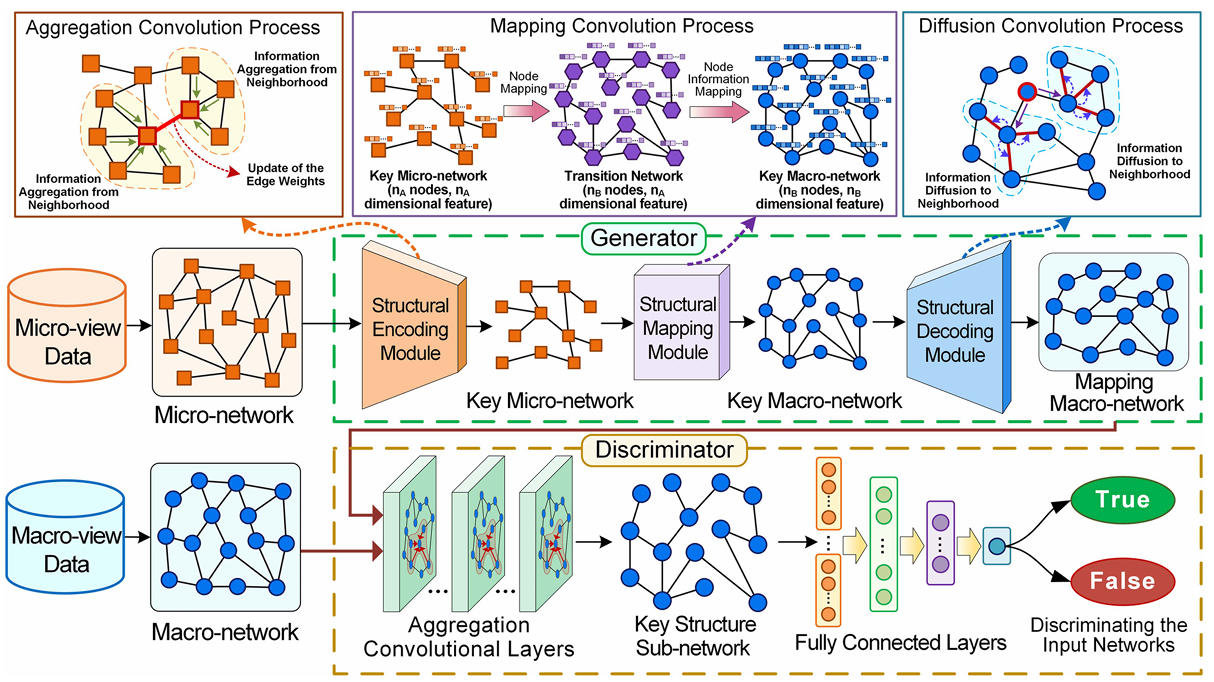
Structure mapping generative adversarial network for multi-view information mapping pattern mining
X. A. Bi, Y. Huang, Z. Yang, K. Chen, Z. Xing, L. Xu, X. Li, Z. Liu, and T. Liu
This paper proposes a Structure Mapping Generative Adversarial Network (SM-GAN), a framework that models the hierarchical interactions between different data views as a structural mapping process from micro- to macro-networks, effectively capturing common patterns to improve performance in multi-view learning tasks such as classification and evolution prediction.
